

Taking care of your smile doesn’t have to be hard. Most of it happens at home.
Many people ask, How can I maintain oral health without spending hours in front of the mirror? The answer is consistency.
A simple daily routine can help prevent common dental problems before they start.
Complete home care acts like a shield, keeping your teeth healthy and your breath fresh between visits to a dental office near you. This blog covers everything you need to know about oral treatment.
Why Is Daily Prevention The Best Oral Treatment?
The most effective oral treatment is actually free; it’s your daily brushing and flossing! Every time you eat, a sticky film called plaque forms on your teeth.
If you don’t brush it away, it turns into hard tartar that only a professional can remove.
- Brush Like a Professional – Use a soft brush and aim for two minutes, twice a day.
- The 45-Degree Trick – Tilt your brush at an angle toward your gums to clean the spots where bacteria love to hide.
- Tongue Cleaning – Give your tongue a quick scrub to remove bacteria that cause bad breath.
What Are The Long-Term Benefits Of Oral Health?
There are so many excellent benefits of oral health that go way beyond just having white teeth. When your mouth is healthy, your whole body stays healthier.
- Confidence Boost – A clean smile makes you feel great in photos and conversations.
- Better Overall Health – Healthy gums are linked to a lower risk of heart disease and diabetes.
- Save Your Wallet – Spending a few minutes on hygiene today prevents expensive fillings or surgeries down the road.
How Can I Find A Dental Office In St. Cloud?
If you are looking for a friendly dental office in St. Cloud, look for one that makes you feel relaxed and heard. A great dental team acts as a coach for your smile, offering tips and tricks to use at home.
Whether you’ve just moved to the area or haven’t been to the dentist in a while, finding a local spot that uses modern, gentle techniques makes it much easier to keep your appointments.
What Should I Expect During A Routine Oral Check-Up?
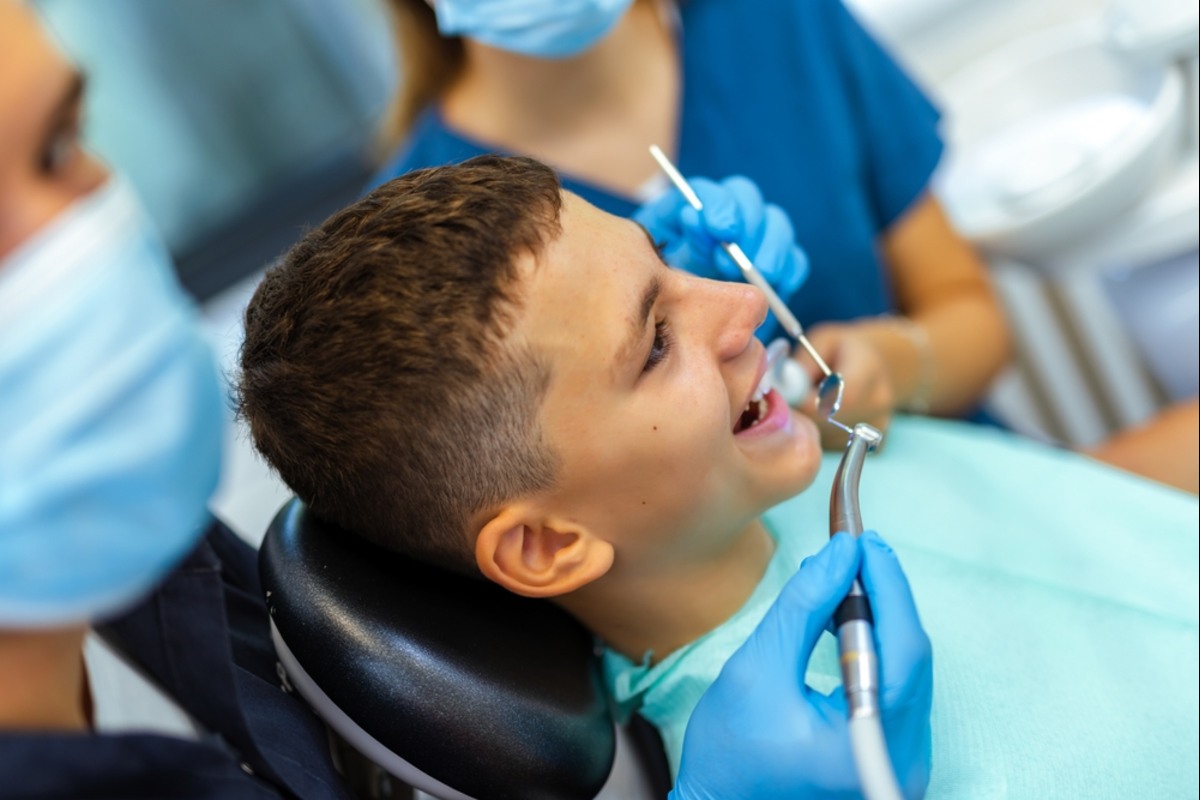
Even if you’re a superstar at brushing, you still need a professional oral check-up every six months. Think of it like a “deep detail” for your teeth.
- Professional Cleaning – A hygienist uses special tools to remove tartar that a toothbrush can’t budge.
- Health Scan – The dentist checks for tiny cavities, signs of gum disease, and even checks your jaw alignment.
- X-rays – These help find hidden problems between teeth or under the gum line before they cause pain.
Where Can I Seek Professional Oral Treatment?
If you notice a sudden twinge of pain or bleeding gums, it’s time to look for oral treatment near you. You shouldn’t wait for your six-month cleaning if something feels “off.”
Catching a small crack or a minor infection early usually means the fix is quick and easy. Most modern dental offices are happy to squeeze you in for a quick look to make sure a small problem doesn’t turn into a big headache.
How To Eat Your Way To A Healthier Smile?
What you put on your plate matters just as much as your toothbrush. To keep your teeth in top shape:
- Drink Water: It’s the best “mouthwash” there is! It rinses away food and keeps your mouth moist.
- Crunchy Snacks: Apples and carrots are nature’s toothbrushes—they help scrub your teeth as you eat.
- Skip the Sugar: Try to limit sugary sodas and sticky candies that feed the bacteria that cause cavities.
Your Path to a Happy Smile
Keeping your teeth healthy is easier than you think. Eat well, brush daily, and stay on track with regular check-ups to keep your smile bright and pain-free.
At Lakeshore Dental, we make dental care comfortable and stress-free. Our friendly team is here to support your home care and your overall oral health.
FAQs
How often should I change my toothbrush?
You should grab a new one every three months. If the bristles are looking frayed or you’ve just been sick, swap it out sooner!
Does flossing really matter that much?
Absolutely! Brushing misses the tight spaces between your teeth. Flossing is the only way to reach those hidden areas where cavities start.
Can I use mouthwash instead of flossing?
Mouthwash is great for fresh breath, but it can’t physically “scrub” plaque away from between your teeth like floss can.
What is the best time of day to floss?
Most dentists recommend flossing at night. This ensures that no food particles accumulate between your teeth for eight hours while you sleep.